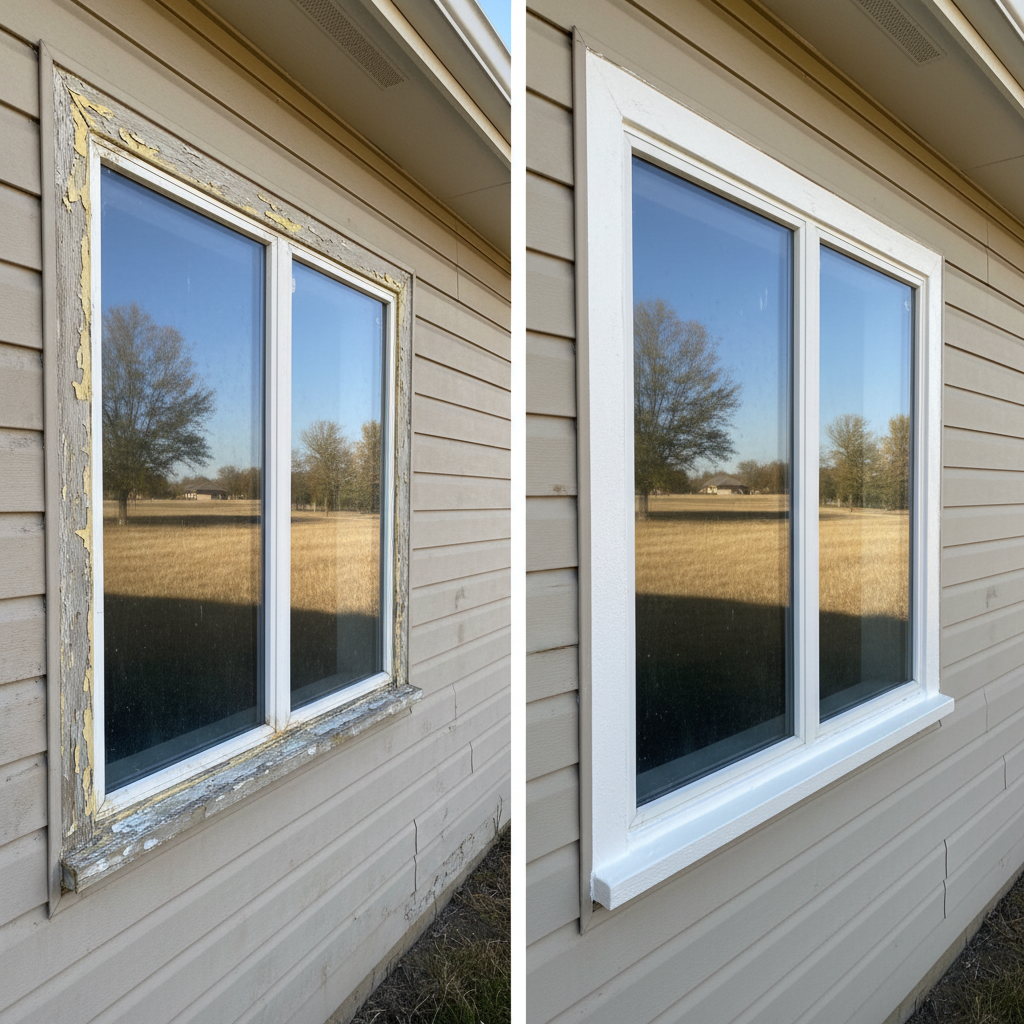
Alright, let's talk about something that seems simple but can make a huge difference in your home's comfort and energy bill: what you put around your windows to keep the weather out. Most folks just say 'caulk it,' and think any old tube will do. But there's a real difference between caulk and sealant, and knowing it can save you a headache and some money down the road, especially with our Kansas weather. Believe me, I've seen it firsthand.
So, What's Caulk All About?
When I talk about caulk, I'm usually thinking about acrylic latex caulk, sometimes with silicone added. This stuff is pretty common, you'll find it everywhere. It's cheap, easy to apply, and you can paint right over it. For interior gaps, like where your trim meets the wall, it's perfect. It fills those small cracks, looks good, and keeps things tidy.
But here's the kicker: it's not super flexible. When temperatures swing wildly, like they do here in Great Bend – from a freezing January morning to a scorching July afternoon – your house expands and contracts. Your window frames, your siding, everything moves a little. Acrylic caulk just doesn't stretch and bounce back well enough for those exterior movements. It'll dry out, crack, and pull away. I've seen it happen countless times on older homes, especially those in the older parts of town around the courthouse where the foundations have settled a bit. You end up with tiny cracks that let in drafts, dust, and moisture.
Then There's Sealant.
Now, when I say sealant, I'm generally talking about high-performance silicone or polyurethane products. These are the heavy-hitters. They cost more, and they can be a bit trickier to work with – some silicone sealants aren't paintable, which is something to keep in mind. But man, are they tough.
The biggest advantage of a good exterior sealant? Its flexibility. It's designed to stretch and compress with all that movement I was talking about. It'll handle the expansion and contraction of your windows and siding without cracking or losing its seal. We're talking about products that can stretch 25% or even 50% of their joint size and still snap back. That's crucial for keeping out our Kansas dust storms and heavy rains. It forms a durable, waterproof, and airtight barrier that lasts for years, often 20 years or more, compared to caulk's typical 3-5 year lifespan outside. Quite a difference, wouldn't you say?
Cost, Durability, Maintenance, Appearance
- Cost: Caulk is cheaper upfront, no doubt. A tube might be a few bucks. Sealant can be $8-$15 a tube, sometimes more for specialized stuff. But remember, you'll be re-applying caulk way more often.
- Durability & Maintenance: This is where sealant shines. You put it on once, and you're good for a long, long time. Caulk outside? You'll be scraping and re-applying every few years. That's a lot more work and more tubes of caulk over time.
- Appearance: Both can look good if applied correctly. Caulk is easier to tool smoothly for a DIYer. Many sealants come in different colors, but if you need to paint over it, make sure you get a paintable variety (often polyurethane or a hybrid polymer, not pure silicone).
My Recommendation for Great Bend Homeowners
Look, for anything outside your house, especially around your windows and doors, you want a high-quality sealant. Period. Don't skimp here. Our climate demands it. The constant temperature swings, the wind-driven rain, the dust – caulk just isn't built to handle that long-term. You'll end up with drafts, higher energy bills, and potential water damage.
Use caulk for interior trim work, where things don't move as much and you want an easy paintable finish. But for anything exposed to the elements, invest in a good exterior-grade sealant. It's a bit more money and effort upfront, but it pays off big time in durability, energy efficiency, and not having to redo the job every few years.
If you're not sure what you've got or what you need, give us a call at Guardian Window Installation. We see this stuff every day, and we can help you figure out the best approach for keeping your Great Bend home sealed up tight.