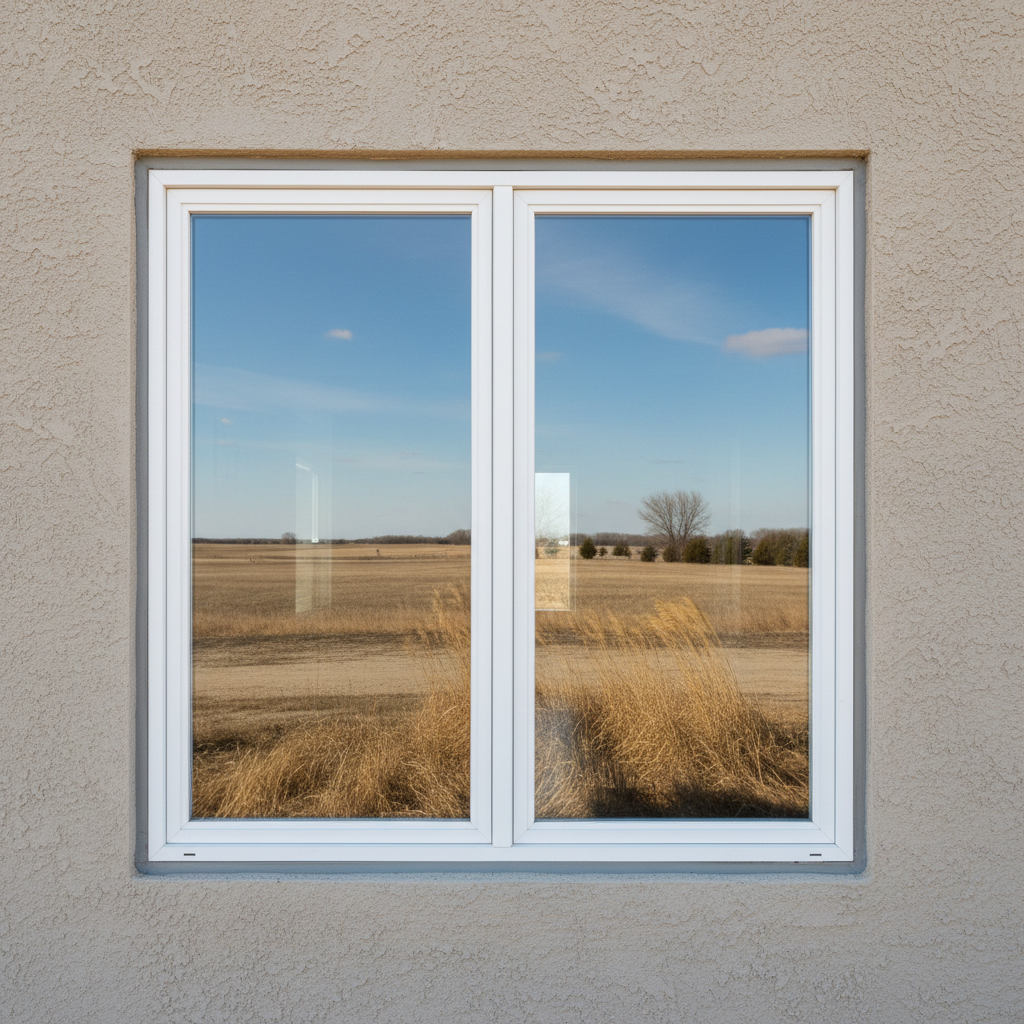
Do double-pane windows really save me money on my energy bills?
That's the big question everyone asks, right? And the short answer is a definite yes, they absolutely can. It's not some magic bullet, though. Here’s how it works: double-pane windows have two panes of glass, with a sealed space in between. This space usually gets filled with an inert gas, like argon. Argon is a much worse conductor of heat than plain old air, so it really slows down how much heat moves through the window. Here in our Great Bend climate, where we get those scorching summers and bitter cold winters, that means your AC unit won't have to work as hard to keep the heat out. And your furnace? It won't be fighting so hard to keep the warmth inside. I’ve personally seen folks in older homes – especially those with original single-pane windows in areas like the older sections near Brit Spaugh Park – cut their heating and cooling costs pretty noticeably after upgrading. It's an investment, sure, but it pays off over time by making your home more efficient and, frankly, a lot more comfortable.
What's the deal with "low-E" coatings? Are they worth the extra cost?
Okay, so "Low-E" stands for low-emissivity. It’s this super thin, transparent coating that gets put on one or more of the glass surfaces in a double-pane unit. Think of it like a one-way mirror, but for heat. In the summer, it reflects the sun’s heat away from your house, which keeps things cooler inside. Then, in the winter, it bounces your home’s heat back indoors, so it doesn’t just escape. For us here in Great Bend, with our intense sun and those wild temperature swings, Low-E is pretty much a no-brainer. It does add to the upfront cost, no doubt, but it seriously boosts how well your windows perform energy-wise. Plus, it helps protect your furniture, carpets, and artwork from fading because of UV rays. I always recommend it; it’s one of those features that truly makes a difference in both comfort and long-term savings.
How long does a typical double-pane window installation take?
This really depends on a couple of things: how many windows you’re getting and how complicated the job is. For a standard home, let’s say with 10 to 15 windows, we can usually knock it out in 1 to 3 days. If we’re talking about a whole house full of windows, or if there are structural issues we need to deal with, it might stretch to 4 or 5 days. My crew at Guardian Window Installation works efficiently, but we never cut corners. We take our time to make sure every single window is sealed, leveled, and insulated just right. We also factor in things like pulling out the old windows, getting the openings ready, and cleaning up thoroughly afterward. We’ll give you a clear timeline upfront once we’ve had a chance to look at your specific project.
Will I have to replace my window frames too, or just the glass?
This is a common point of confusion, and it really depends on your existing frames' condition and what kind of replacement you're doing. If your current frames are solid, plumb, square, and generally in good shape—meaning no rot, warping, or major damage—we can often do what’s called a "pocket" or "insert" replacement. This is where the new double-pane window unit goes right into your existing frame. It’s usually quicker and less disruptive. However, if your frames are old, falling apart, or just not structurally sound, then a "full-frame" replacement is the way to go. That involves taking out the entire old window, frame and all, right down to the rough opening, and then installing a brand new window unit with its own frame. It’s a bigger job, but it gives you the best long-term performance and can fix problems like air leaks around the old frame. We always inspect your frames carefully during our first visit and will let you know what makes the most sense for your home.
What's the lifespan of double-pane windows? How long should they last?
A good quality double-pane window, put in correctly, should last you anywhere from 15 to 30 years—sometimes even longer. The biggest thing affecting their lifespan is how well the seal holds up between those two panes of glass. If that seal breaks, the inert gas can escape, and moisture can get inside, which leads to fogging or condensation between the panes. That’s usually your sign that it’s time for a replacement. Good manufacturing, quality materials, and expert installation all play a huge role in how long that seal lasts. Here in Great Bend, our big temperature swings can put a lot of stress on those seals, so investing in a reputable brand and a professional installer like Guardian Window Installation is really key to getting the most out of your investment. What's not to like about that?
Do new windows require any special maintenance?
Not really, which is one of the best things about modern windows. They're designed to be pretty low-maintenance. The main thing you'll want to do is keep them clean, just like any other window. Use a mild soap and water solution with a soft cloth or squeegee. Try to avoid harsh chemicals or abrasive cleaners, especially on Low-E coatings, because those can damage the glass or frame. You should also periodically check the weep holes at the bottom of the window frame to make sure they're clear of debris – these are important for drainage, you see. Beyond that, just keep an eye on the caulking around the outside of the window. If you spot any cracks or it starts to deteriorate, it’s a good idea to re-caulk to maintain that weather seal. Other than those few things, they’re built to stand up to our Kansas weather without much fuss.