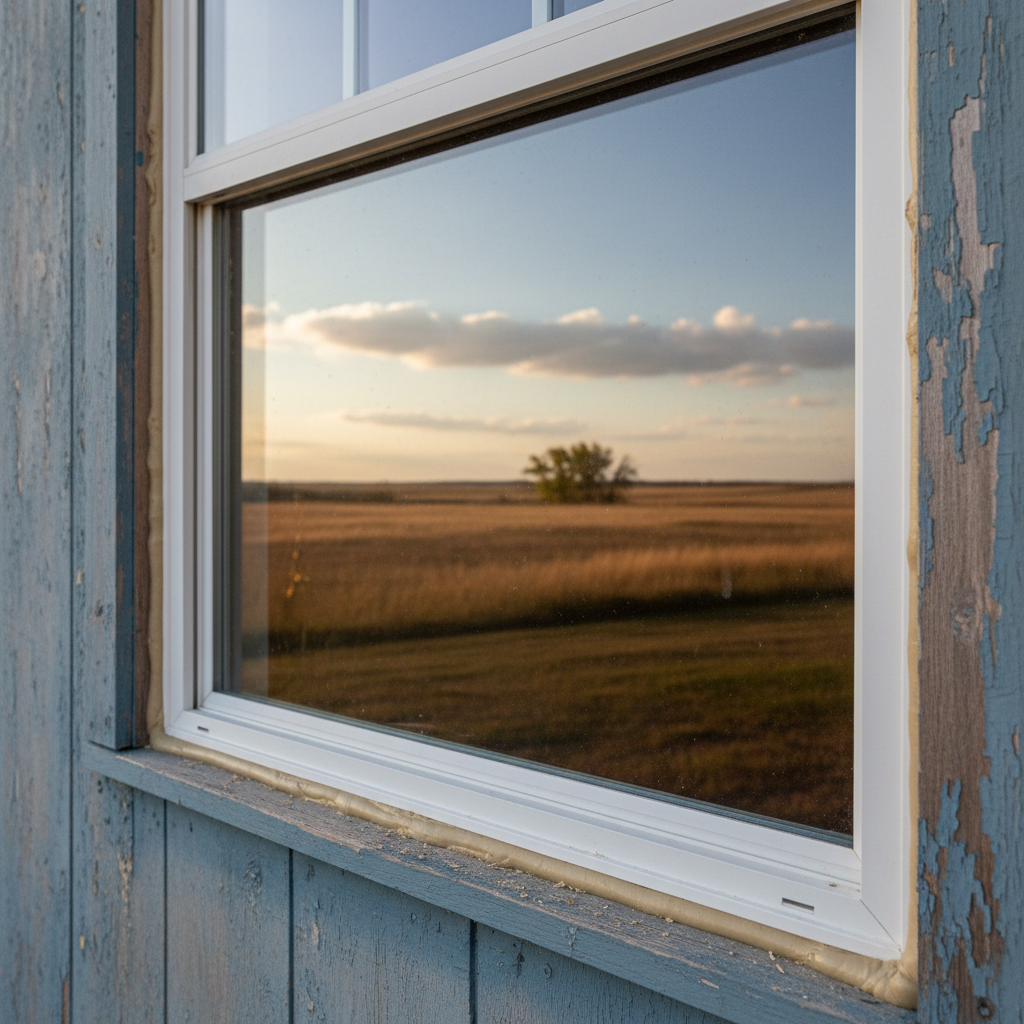
Alright, so you're staring at those old, drafty windows and thinking, 'It's time.' Maybe you've got some fogged-up panes, or you're just tired of feeling the wind whip through your living room every time a storm rolls off the plains. Window replacement is a big deal, and a lot of folks in Great Bend wonder if it's a project they can handle themselves or if they really need to call in the cavalry.
Before You Even Think About a Screwdriver
First things first, you gotta figure out what kind of replacement you're even looking at. Are we talking about a simple sash replacement where the frame stays put, or a full-frame tear-out? This is crucial because it dictates everything else. If your existing window frames are solid, plumb, and square – no rot, no major structural issues – then a sash replacement might be something a handy homeowner could consider. But if those frames are soft, warped, or showing signs of water damage, you're looking at a full-frame replacement, and that's a whole different ballgame.
- Measure Twice (or Ten Times): Seriously, this isn't just a saying. Measure the width at the top, middle, and bottom, and the height on both sides and the middle. Use the smallest measurement. Then do it again. An incorrectly sized window is a nightmare to install and will never seal right.
- Window Type: What kind of window do you want? Double-hung, casement, slider? Each has different installation requirements.
- Budget: Know what you're willing to spend, not just on the windows themselves, but on tools, materials, and potential professional help.
- Permits: In Great Bend, for major structural changes or full-frame replacements, you might need a permit. Check with the city's building department. Don't skip this; it can save you headaches down the road.
Another thing to consider is the age of your house. If you're in an older home, say one of those beautiful brick places near Brit Spaugh Park, you might run into lead paint or asbestos around the old windows. Disturbing that stuff without proper precautions is dangerous, and that's a definite 'call a pro' situation.
During the Project: Where DIY Gets Tricky
Okay, let's say you've got your new windows, they're the right size, and you're feeling confident. Here's where the rubber meets the road.
- Removal: Taking out the old window can be straightforward or a real pain. You'll need to carefully score paint, remove trim, and deal with old nails or screws. Be gentle; you don't want to damage the surrounding wall.
- Preparation: This is huge. The opening needs to be clean, level, and square. Any old caulk, debris, or loose material needs to go. You'll likely need to apply new flashing tape around the opening, especially at the sill, to create a proper water barrier. This is critical for preventing leaks, which can be a real problem with our Kansas storms and the way water can get driven into walls.
- Setting the Window: This is where precision comes in. The window needs to be perfectly plumb, level, and square within the opening. Shims are your best friend here. If it's off, even a little, it won't operate smoothly, it won't seal properly, and you'll have drafts. It also needs to be securely fastened to the framing.
- Insulation and Sealing: Once the window is set, you need to insulate around the frame with low-expansion spray foam or fiberglass insulation. Then, you'll caulk all the exterior seams. This isn't just about looks; it's about energy efficiency and keeping water out. A bad caulk job is an open invitation for leaks and higher utility bills.
For a single, small window in a well-maintained opening, a very handy homeowner with the right tools and a good tutorial might pull it off. But for multiple windows, or anything beyond a simple sash replacement, the chances of running into unexpected issues skyrocket. You're dealing with structural integrity, weatherproofing, and energy efficiency. Messing up any of those can lead to costly repairs down the line.
After the Install: The Long-Term View
So, you've got the new window in. Looks great, right? But the job isn't over. You'll need to replace interior and exterior trim, paint, and make sure everything looks finished. More importantly, you need to monitor for drafts, leaks, or operational issues. If you did it yourself and something goes wrong, you're on the hook for fixing it.
When you hire a professional, like us at Guardian Window Installation, you're not just paying for the labor; you're paying for expertise, specialized tools, and a warranty. We've seen it all – crooked openings, unexpected rot, even old wasp nests in the walls. We know how to handle these surprises efficiently and effectively. Plus, a professional installation means the window manufacturer's warranty is typically valid. If you DIY and something goes wrong with the window itself, the manufacturer might void the warranty if it wasn't installed correctly.
Look, I'm all for homeowners tackling projects they're comfortable with. But when it comes to something as vital as your home's envelope, its energy efficiency, and its protection from the elements, sometimes it's smarter to bring in someone who does it day in and day out. You'll get peace of mind, a properly installed product, and a warranty that actually means something. Think about it like this: you wouldn't try to rebuild your car's engine after watching a YouTube video, right? Windows are a similar kind of investment in your home's health and value.