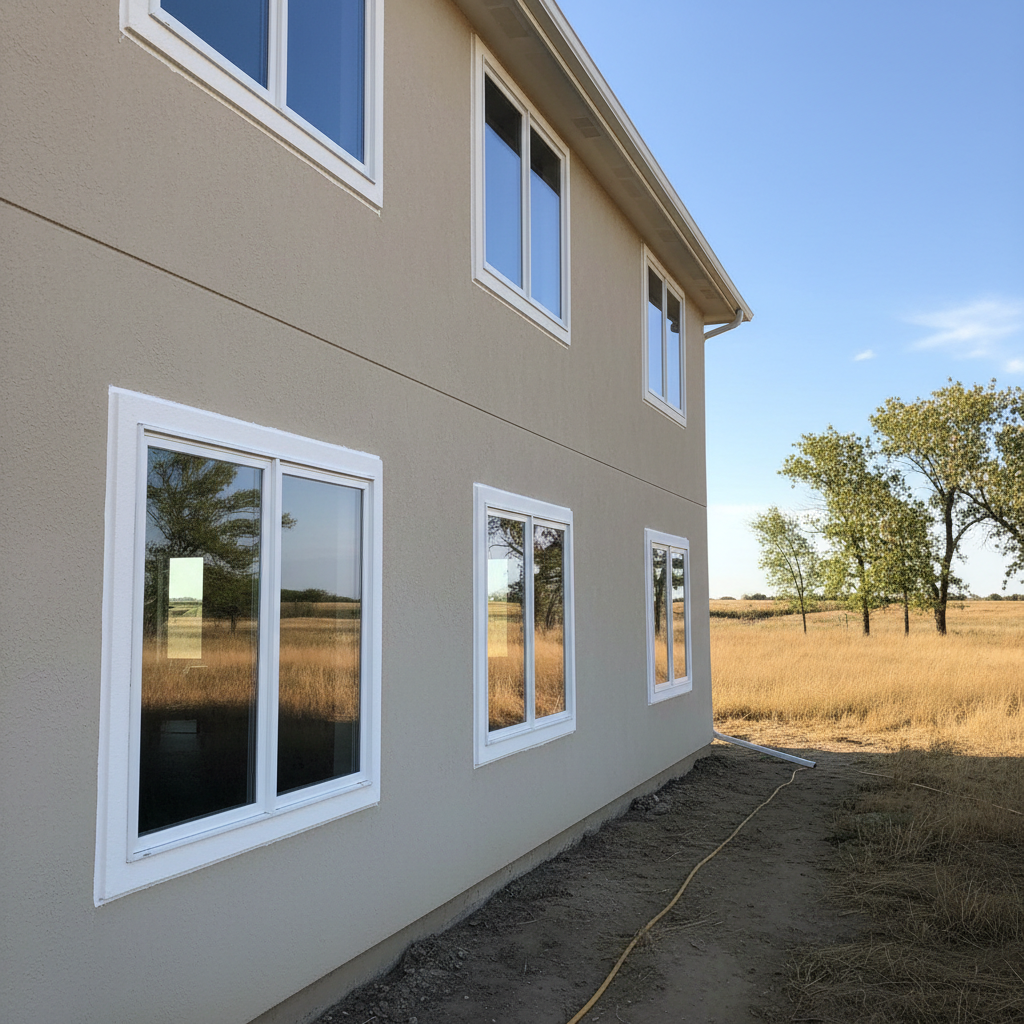
Alright, let's talk about getting those windows sealed up tight. It's not the flashiest home improvement project, I get it, but it's one of the most important for keeping your energy bills down and your home comfortable. This is especially true with those biting Great Bend winters and scorching summers we get. You might think it's just a tube of caulk and an afternoon, but a proper, long-lasting sealing job takes a bit more planning than that. Here's my playbook for getting it done right.
Setting Your Project Timeline
When you're looking at a caulking and sealing project, the timeline isn't usually months long like a full window replacement. No, we're talking days, maybe a week for a bigger house with a lot of windows. What really dictates the timeline is the weather and the contractor's schedule. You can't seal windows in the rain, and you definitely can't do it when it's freezing outside, or when it's too hot and humid. Most sealants need specific temperature ranges to cure properly, usually somewhere between 40 and 90 degrees Fahrenheit, and low humidity helps too. Here in Great Bend, that means spring and fall are often prime times. Summer mornings can work before the heat really kicks in, but you want to avoid direct, scorching sun on the sealant as it's curing.
First step is getting a few bids. Don't just go with the first guy who answers the phone, please. Once you pick a contractor, they'll usually give you an estimated start date. From there, the actual work on your house might only take a day or two for an average-sized home. If you've got a big place, or some tricky windows, it could stretch to three or four. Make sure you get a clear estimate of the work duration when you sign the contract.
What to Expect During the Process
So, what's actually going to happen when the crew shows up? First, they'll do some prep work. This is crucial. They'll clean the surfaces around your windows where the old caulk is, making sure there's no dirt, dust, or loose paint. If there's old, cracked caulk, they'll remove it. This isn't just cosmetic, mind you; new sealant won't stick properly to old, degraded material. Sometimes, they might need to use a primer, especially on porous materials or certain types of siding.
Then comes the actual application. They'll use a caulk gun to apply the sealant in a continuous bead along the joints where your window frames meet the siding or trim. It's not just about squeezing it out; it's about getting a consistent, smooth bead that fills the gap completely and adheres well to both surfaces. This takes a steady hand and some experience. After application, they'll tool the sealant – that means smoothing it out with a special tool or even a wet finger (wearing gloves, of course) to ensure good contact and a clean, weather-tight finish. You might see different types of sealant used depending on the location and material – some for exterior, some for interior, some that are paintable, others that aren't.
You'll need to stay clear of the work areas while they're at it. There might be some noise from scraping or cleaning, but it's generally not a super disruptive process. Once they're done, they'll clean up any debris and leave you with instructions on curing times and what to avoid doing while the sealant sets. Don't touch it until it's fully cured!
How to Get Your Home Ready
Preparing your home for a window sealing project is pretty straightforward, but it helps the crew work efficiently and keeps your stuff safe. Here's what I recommend:
- Clear the Perimeter: Move any outdoor furniture, planters, grills, or decorations away from your windows. The crew will need clear access to the exterior of every window.
- Trim Landscaping: If you have bushes or trees right up against your house, trim them back a bit. This gives the workers room to maneuver and ensures they can get to all the joints without damaging your plants or themselves.
- Secure Pets: Keep your pets indoors and away from the work areas. We don't want them getting into any materials or getting underfoot.
- Inform Neighbors: If the work is going to be noisy or require access near property lines, a quick heads-up to your neighbors is always a good idea.
- Interior Access (if needed): For some types of sealing, especially if there are interior gaps that need addressing, you might need to clear things away from the inside of your windows too. Your contractor will let you know if this is necessary.
Questions to Ask Before You Sign
Before you commit to anyone, you need to be asking some pointed questions. This isn't just about price; it's about making sure you're getting a quality job that will last.
- What type of sealant will you use? There are many kinds – silicone, acrylic latex, polyurethane. Each has different properties, lifespans, and applications. For our climate, I often recommend high-quality silicone or polyurethane sealants for exterior use because they handle temperature swings and UV exposure better.
- What's your prep process? Ask specifically about old caulk removal, cleaning, and priming. A good contractor won't skip these steps.
- What's your warranty on the work and materials? A reputable company like Guardian Window Installation will stand behind their work. You want to know what's covered and for how long.
- Are you licensed and insured? This is non-negotiable. You need to know they're legitimate and that you're protected if there's an accident on your property.
- Can you provide references? Ask for names and numbers of past customers, especially those in the Great Bend area.
- What's the estimated timeline for completion? Get a clear idea of when they expect to start and finish.
- What's included in the quote? Make sure there are no hidden fees. Does it include materials, labor, and cleanup?
- How do you handle unforeseen issues? Sometimes, we find rotten wood or other damage once we start removing old materials. You need to know how they communicate these issues and what the process is for approving additional work and costs.
Getting your windows properly sealed is a smart investment in your home's comfort and efficiency. Take the time to plan it out, ask the right questions, and you'll be glad you did when those Great Bend winds start howling, and your home feels snug and warm.